PRODUCTION SAAS
Multi-tenant
Workspaces, permissions and billing
CREATIVE OPERATIONS · B2B SAAS · AI-ASSISTED WORKFLOWS
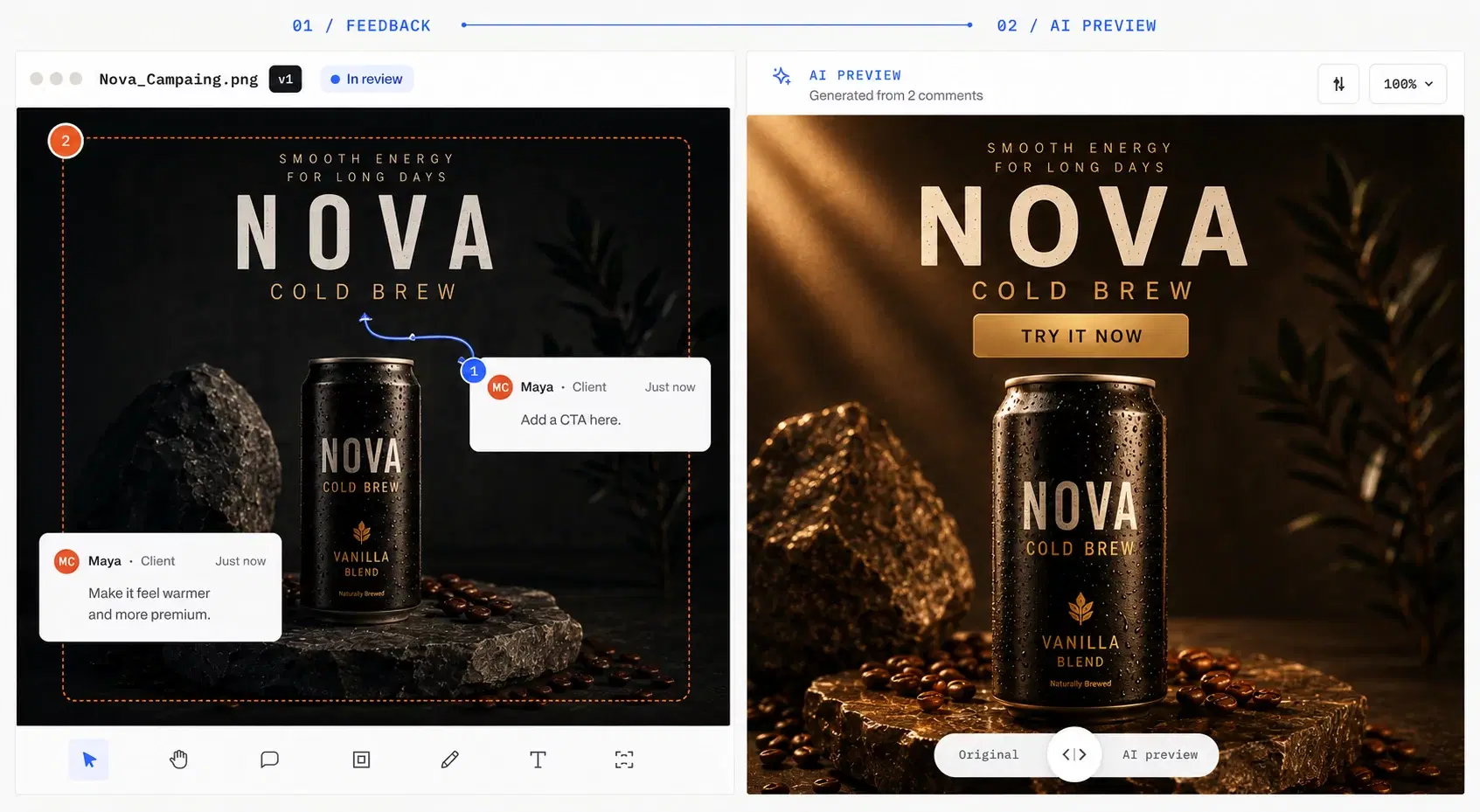
ZapFolder helps creative teams collect visual feedback, turn annotations into clearer AI-generated previews, manage versions and keep approval decisions attached to the exact work being reviewed.
PRODUCTION SAAS
Multi-tenant
Workspaces, permissions and billing
AI WITH GUARDRAILS
Cost-safe execution
Structured interpretation and asynchronous jobs
CONTROLLED APPROVAL
Version-specific
Decisions and immutable audit history
PROJECT SNAPSHOT
01
Creative feedback often arrives as comments that are open to interpretation. Reviewers and designers can spend several rounds discovering what somebody meant rather than deciding whether the work is right.
02
We designed and built a multi-tenant review platform with visual annotations, AI-generated change previews, version history, public sharing, approval routes, notifications, billing and usage controls.
03
We owned product definition, UX, the full-stack application, AI jobs, permissions, billing, infrastructure and ongoing operation.
What we now operate
REVIEW-TO-APPROVAL WORKFLOW
Reviewer actions remain distinct from asynchronous AI work, and every approval stays attached to an immutable version.
01 · Human decision
Share asset
02 · Human decision
Annotate exact region
03 · System stage
Generate interpretation
04 · Human decision
Compare and version
05 · Human decision
Approve and retain audit
SELECTED SYSTEM EVIDENCE
01
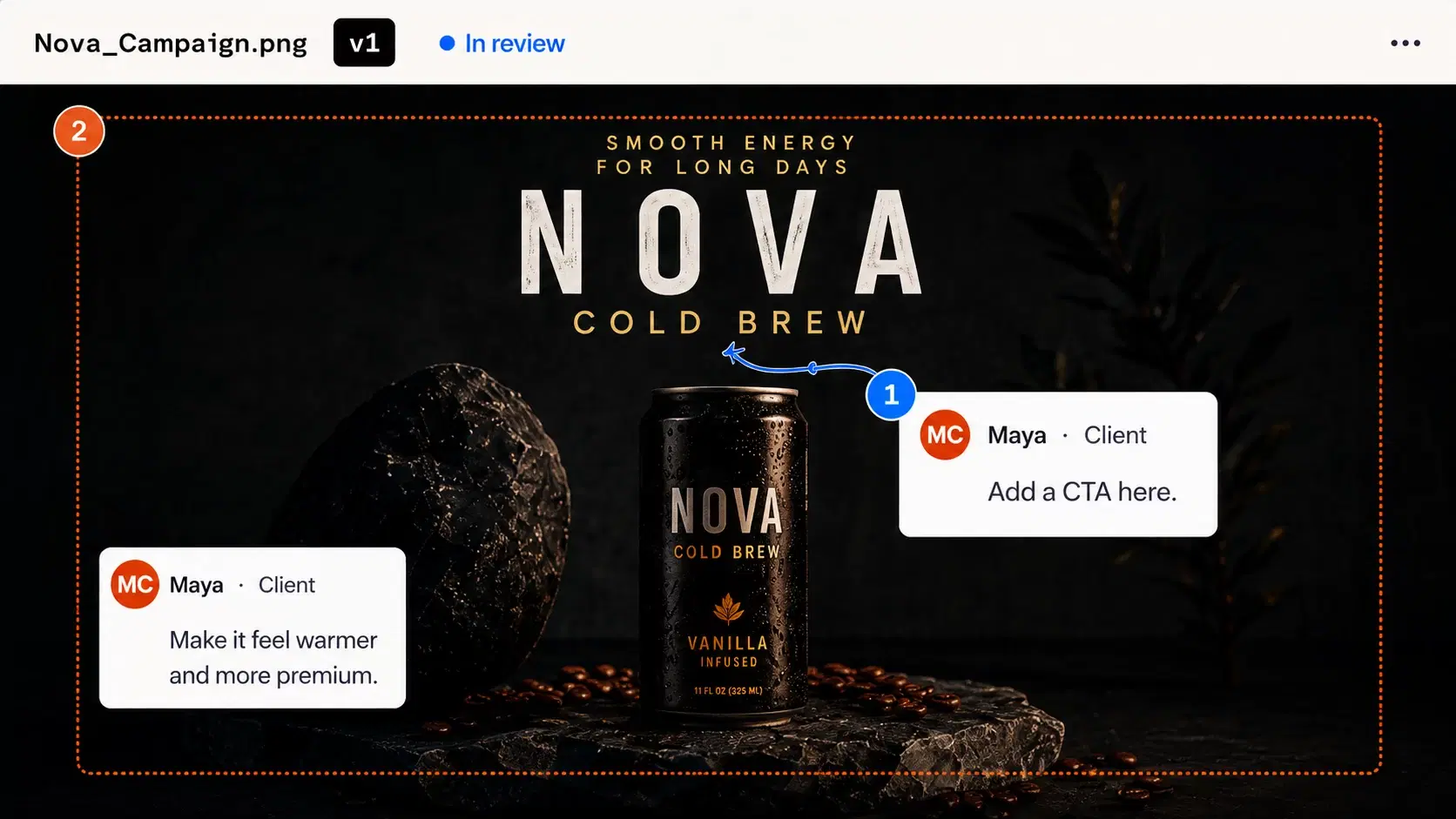
Reviewers can pin comments and draw arrows, rectangles or circles over the work. Annotation coordinates are stored independently from display size so feedback remains attached to the same point across responsive views. General comments remain available where a spatial marker is unnecessary.
Why it mattered
The person making the change can see where the feedback applies rather than reconstructing it from a message thread.
02
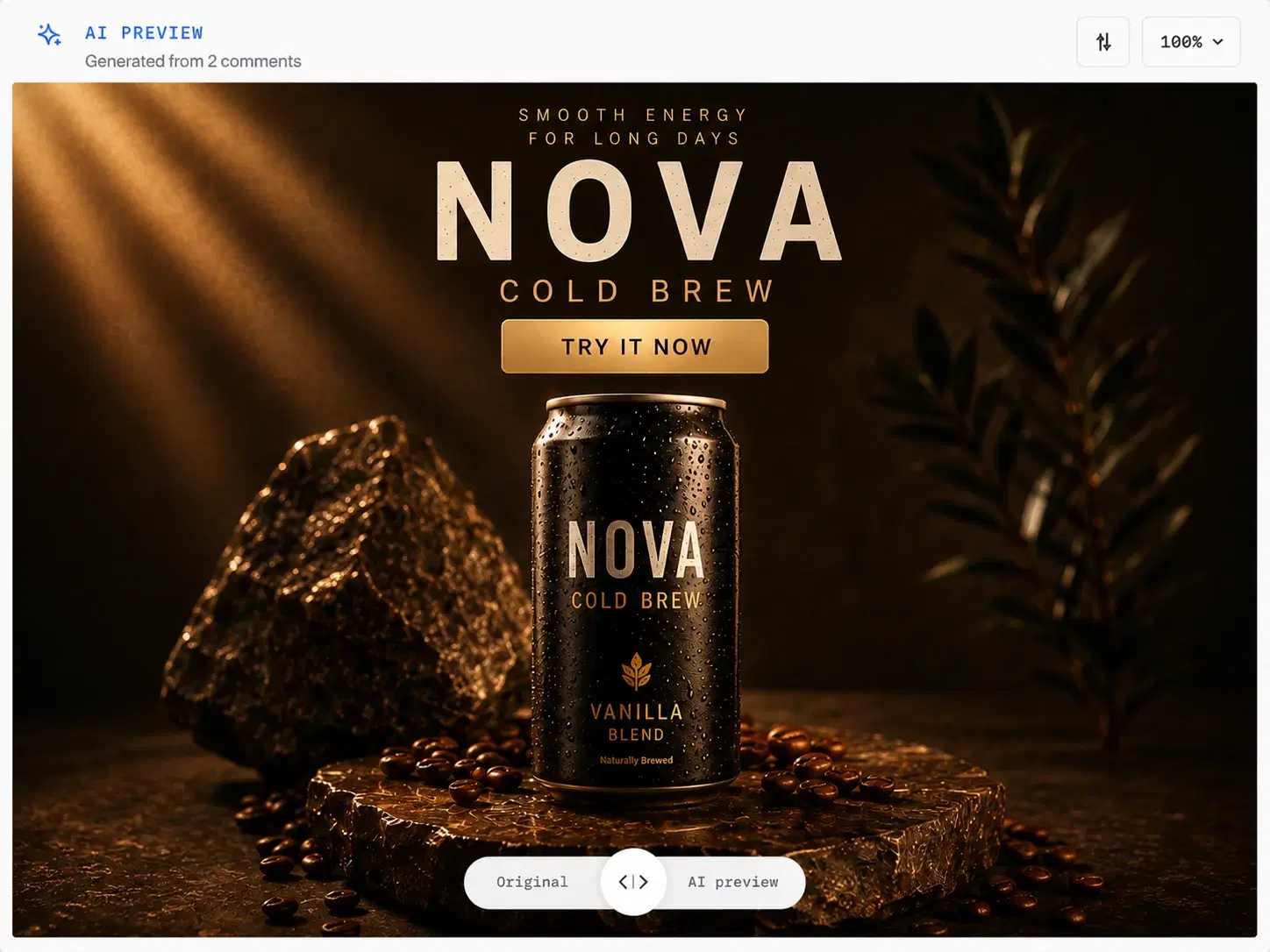
The AI pipeline receives the clean asset, annotated view and structured annotation data. An interpreter converts that context into a validated edit specification containing the requested operation, target, destination, content to preserve and unresolved ambiguity. Generation produces candidate takes that can be compared with the original.
Why it mattered
Reviewers can show a clearer direction without pretending that the generated preview is the final production asset.
03
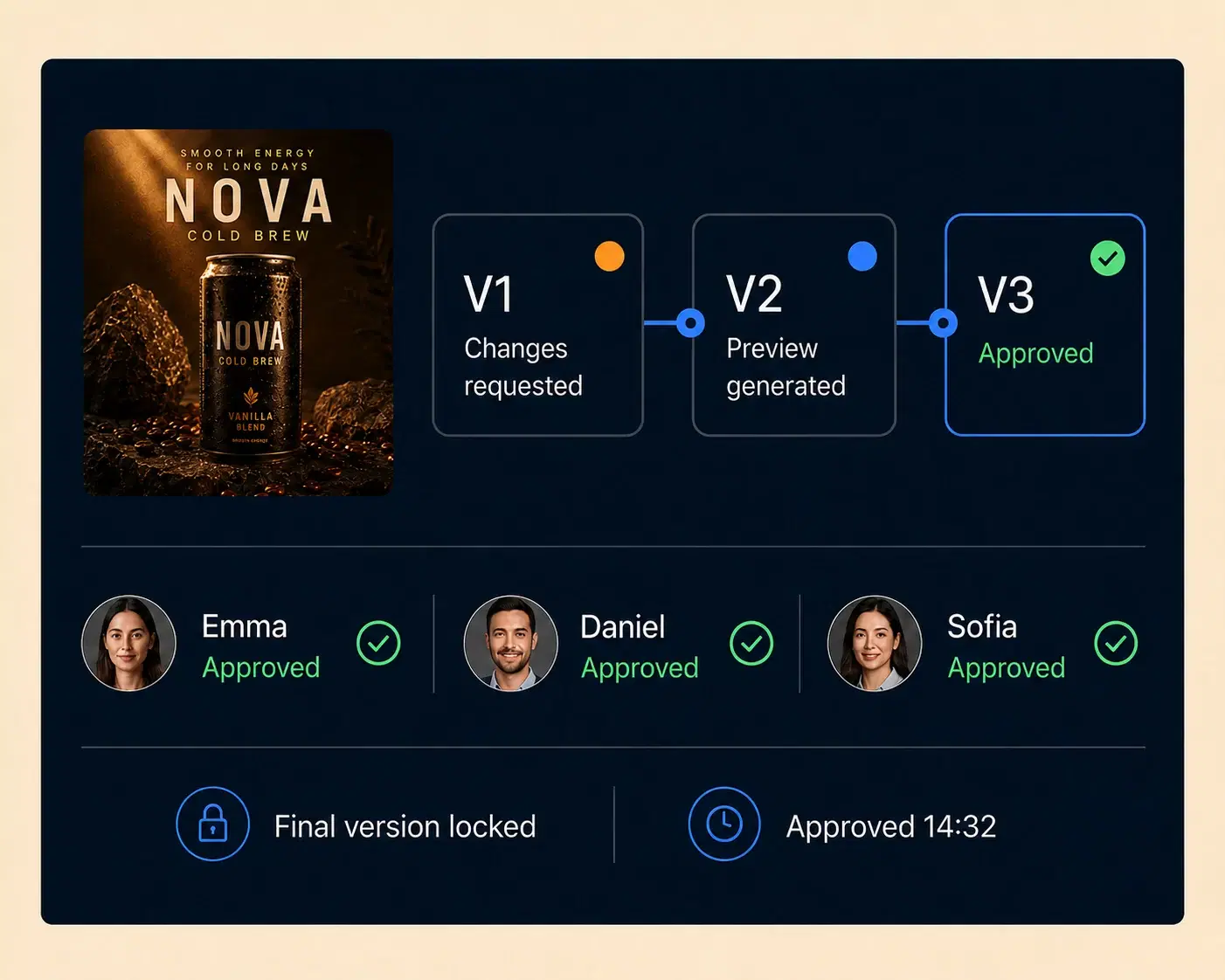
New work becomes a version of the same asset rather than another disconnected upload. Approval routes can include named participants, internal reviewers and public reviewers, with configurable group logic and quorum requirements. Decisions remain tied to the version that was actually reviewed.
Why it mattered
Brand, legal and client teams can establish who approved what without confusing an earlier decision with a later file.
ENGINEERING DECISIONS
ZapFolder first creates a structured edit specification from the asset, annotation and comment. The generation provider receives a focused instruction after ambiguity and preservation requirements have been identified. This keeps the AI flow inspectable and easier to evaluate than one large unstructured prompt.
AI workflow
SQS request and result queues, dead-letter queues and operation identifiers separate orchestration from provider execution. A Lambda invocation completing does not automatically mean the generation succeeded, and a bad instruction must not cause an expensive provider call to repeat blindly.
Cost and reliability
Results are finalised against stable operation and take identifiers. Timeout guards and a stale-job reconciler detect work that never reached a valid terminal state, update the user-visible result and refund the appropriate credit without duplicating the image operation.
Production operations
RESPONSIBILITY
Founder-built product · user feedback continues to shape priorities
SERVICES USED
SELECTED TECHNOLOGY
RELEVANT EXPERIENCE
You need to build a complete SaaS product around an AI-assisted capability.
You need asynchronous AI jobs to be observable, idempotent and commercially safe.
You need permissions, versions, approvals and auditability around collaborative work.
RELATED WORK
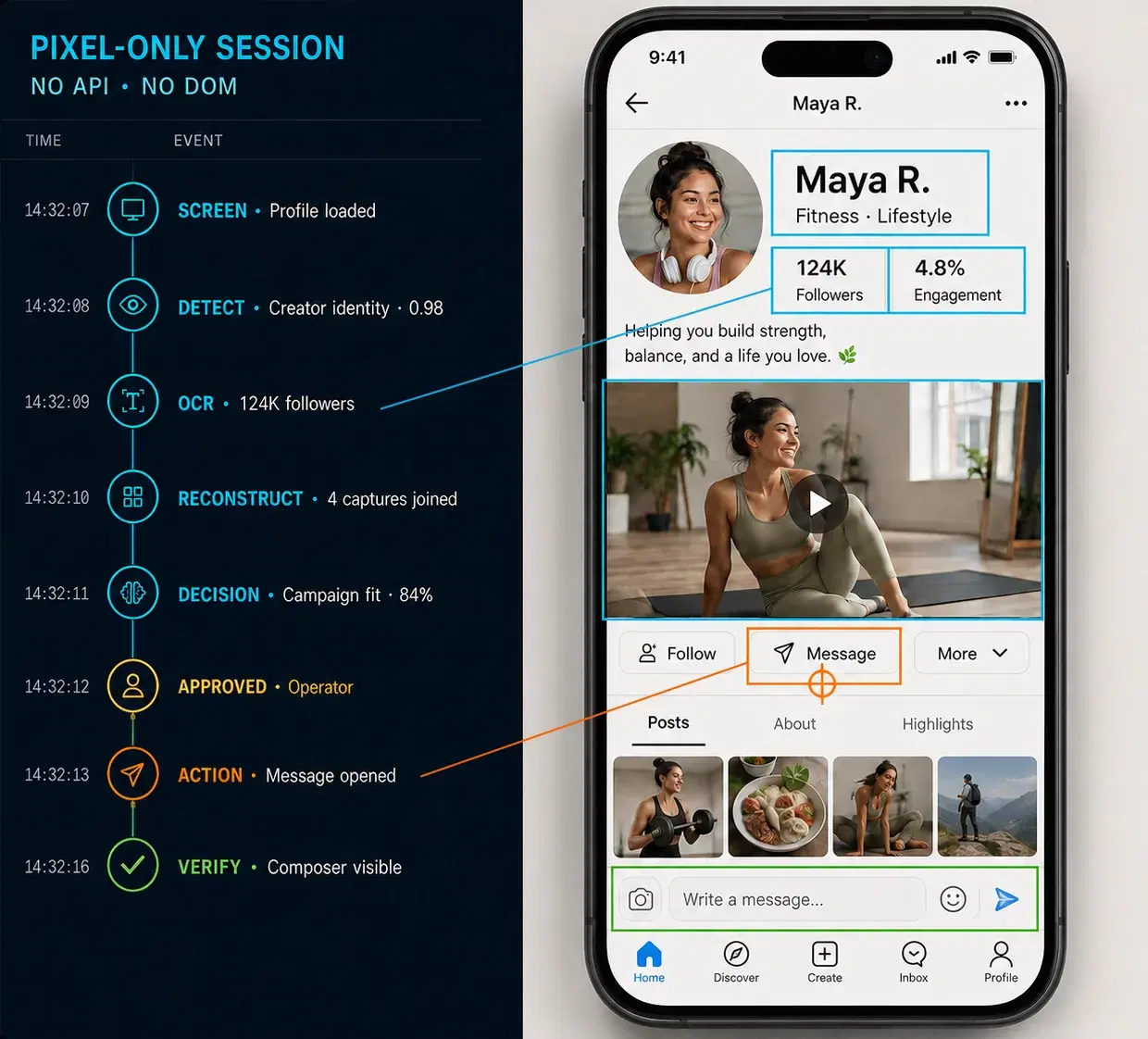
CONFIDENTIAL PARTNERSHIP PLATFORM
Three platform integrations with custom visual models and verified human-approved actions.
View case study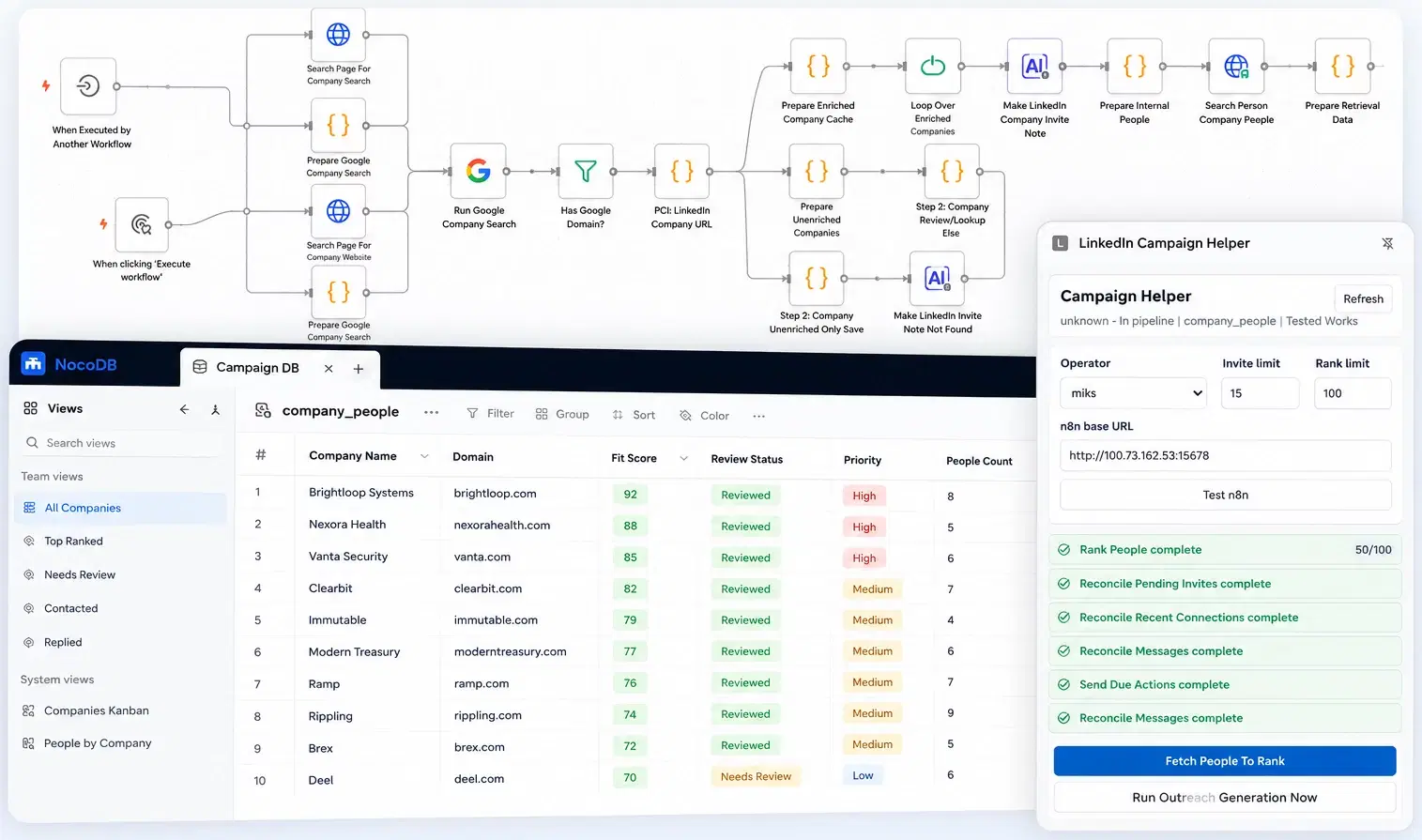
TESTED WORKS INTERNAL SYSTEM
Sixteen coordinated workflows with a shared database and operator-controlled LinkedIn actions.
View case studySTART A CONVERSATION
We can help define the first useful release and build the workflow, permissions, integrations and production controls that turn the feature into a usable product.